If your child has just put on a pair of inline skates and you are wondering where this journey can lead, you are in the right place. Inline speed skating is a high-speed competitive racing sport contested on 200-metre banked tracks (rink) and closed asphalt circuits (road) at speeds exceeding 50 km/h.
How Is It Different from Recreational Skating?
While recreational skating is designed for casual park cruising and balance fun, inline speed skating is a rigorous competitive racing discipline:
Recreational Skating
Fitness & Leisure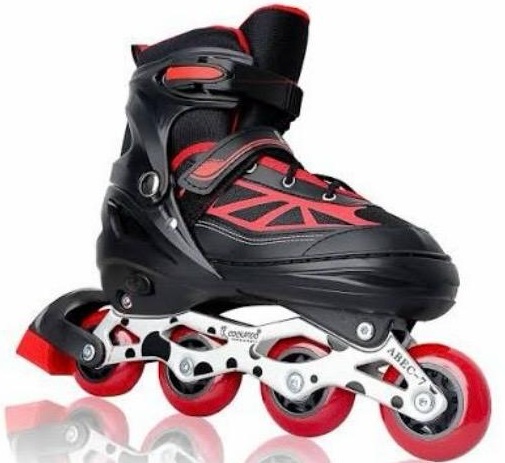
Casual fitness and park recreation focused on safety, balance, and basic mobility.
- Boots: High-cuff plastic or soft mesh boots with ankle support.
- Brakes: Equipped with rubber heel brakes for manual stops.
- Wheels: Small 72 mm to 84 mm soft recreational wheels.
- Intensity: Low-pressure, non-competitive leisure exercise.
Inline Speed Skating
Competitive Racing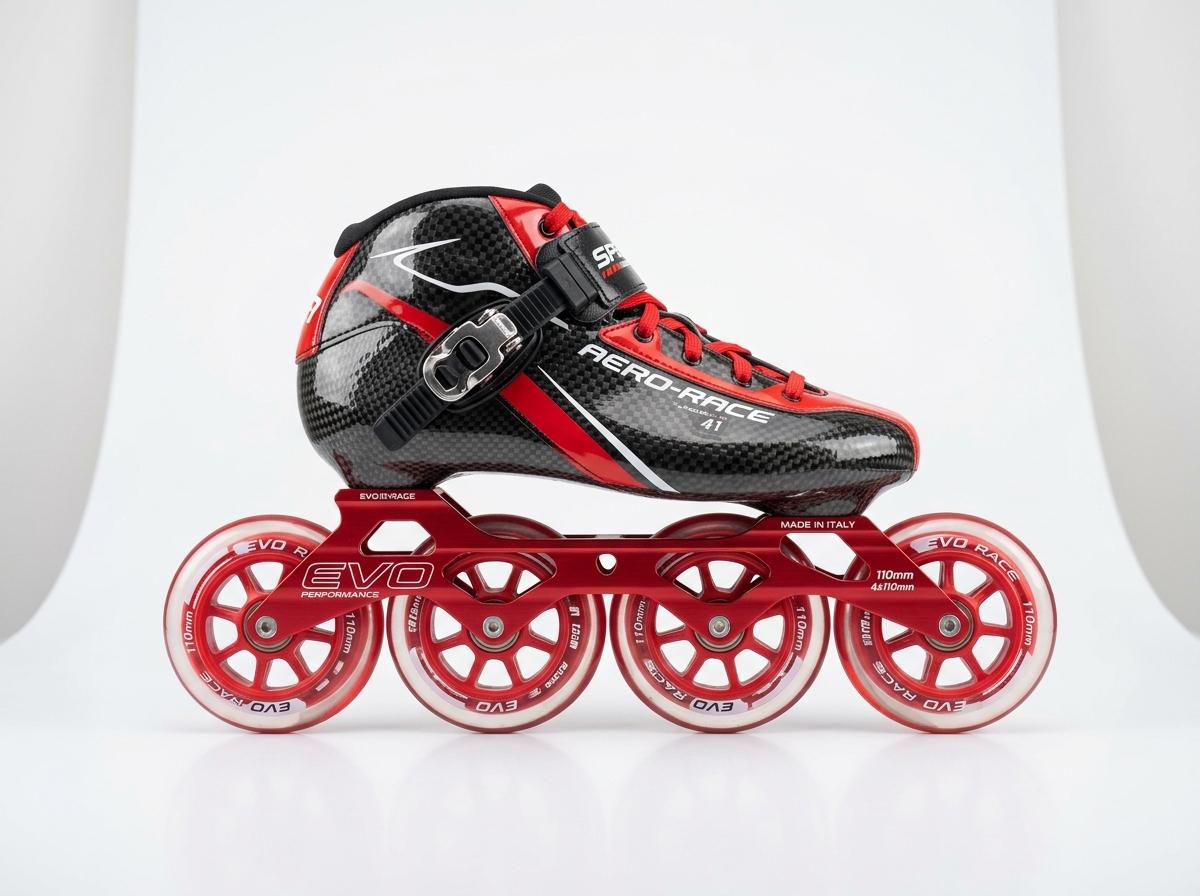
Aerodynamic, precision racing targeting national rankings, medals, and university quotas.
- Boots: Ultralight low-cut carbon fiber shells for deep ankle flex.
- Brakes: No brakes — deceleration via tactical drifting and hockey stops.
- Wheels: Large 90 mm to 110 mm high-rebound racing wheels.
- Intensity: High aerobic thresholds, peloton drafting, and transponder timing.
The Competitive Progression Pathway
In India, official competitive progression follows a clear, merit-based pyramid:
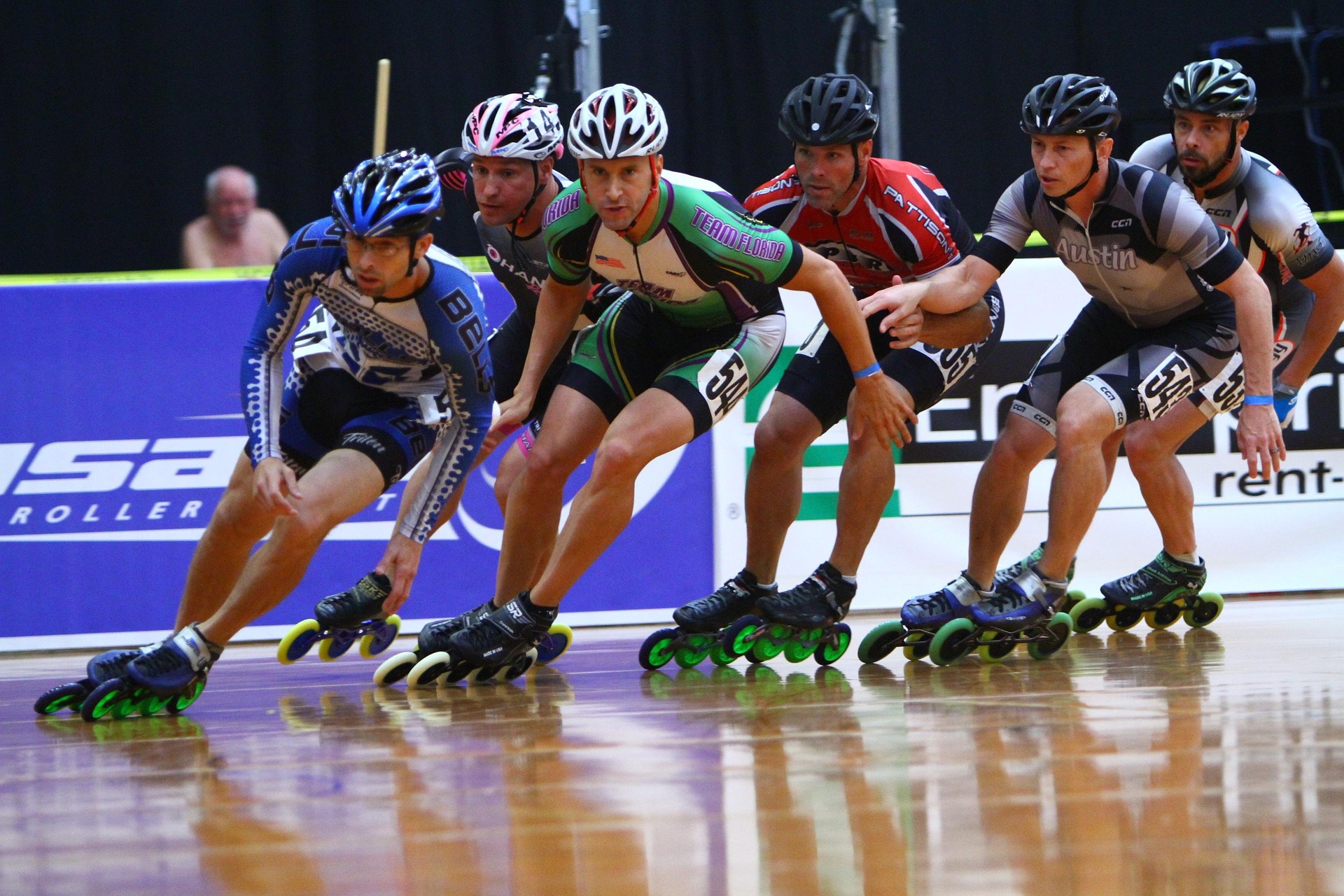
Organized by District Skating Associations. Top medalists qualify for State Championships.
State championships serve as official selection trials for representing the State contingent.
All-India National Championships & SGFI School Games. Eligible for Govt sports quotas.
Asian Championships, World Skate Games, and Asian Games representing Team India.
Age Categories & Permissible Wheel Caps
In competitive speed skating, athlete age is calculated strictly on a calendar-year cutoff basis (31st December of the championship year) across standard system default brackets:
| Age Category | Division Tier | Calendar Age | Max Inline Wheel Size | Standard Championship Races |
|---|---|---|---|---|
| Under 6 & Under 8 | Cadet | Ages ≤ 7 | Max 90 mm | 200m/300m Time Trial, 500m sprint, 1-lap road circuit |
| Under 10 & Under 12 | Cadet | Ages 8–11 | Max 90 mm | 200m TT/Dual TT, 500m+D, 1000m pack sprint, 100m straight road drag |
| Under 15 | Sub-Junior | Ages 12–14 | Max 100 mm | 200m Dual TT, 500m+D, 1000m, 3000m/5000m Points & Elimination, Relays |
| Under 18 | Junior | Ages 15–17 | Max 110 mm | Full international program: 10,000m Points/Elimination, 15,000m road, Relays |
| Above 18 | Senior / Open | Ages 18+ |
Max 110 mm 125 mm (Marathon) |
National selection trials, Senior Nationals, Asian Championships, 42.195 km Marathons |
| Masters | Masters | Ages 35+ |
Max 110 mm 125 mm (Marathon) |
Veteran championships conducted at designated open tournaments |
What Does a Typical Skating Season Look Like?
The competitive speed skating season in India runs parallel to the academic calendar from August through March:
Phase 1: District Championships
August – OctoberOfficial district meets across all districts. Skaters compete for local honors and qualify for their respective State Championships.
Phase 2: State Championships & Selection Trials
November – DecemberHigh-stakes state championships. Top podium finishers are selected to represent their state association at the National Championships.
Phase 3: National Championships & Games
January – MarchAll-India National Championships, SGFI National School Games, and Khelo India Youth Games. Elite skaters earn national rankings and selection trial spots.
Phase 4: Off-Season Conditioning & International Camps
April – JulyOff-season conditioning, technique correction clinics, national team selection camps, and international travel for Asian and World championships.
What Do Parents Need to Know?
Training Commitment
Competitive academies practice 4–6 days weekly, typically 1.5 to 2 hours in the early mornings (5:30 AM – 7:30 AM) or evenings to build endurance and routine discipline.
Equipment Investment
Starter semi-race setups begin around ₹8,000–₹15,000. Low-cut carbon racing skates range between ₹20,000 and ₹45,000+. Budget for replacement wheels as surfaces wear down.
Safety & Injury Prevention
Inline speed skating is a non-contact, low-impact sport. Certified hard-shell aerodynamic helmets, wrist guards, and knee protectors are mandatory at all official practices.
Why SkaterWorld.in?
India's Leading Speed Skating Platform
SkaterWorld.in simplifies speed skating administration for academies and tournament organizers across India. From attendance and batch rosters to digital tournament registrations, heat sheets, live timing, and tamper-proof e-certificates.